Few things get an Indian office talking like a cricket tournament. Departments that never speak end up in the same dugout, and the rivalries last until next season. But a tournament has more moving parts than most company events: teams, fixtures, venues, officials, equipment, food and a final that runs on time. This is how we plan them.
1. Choose the format
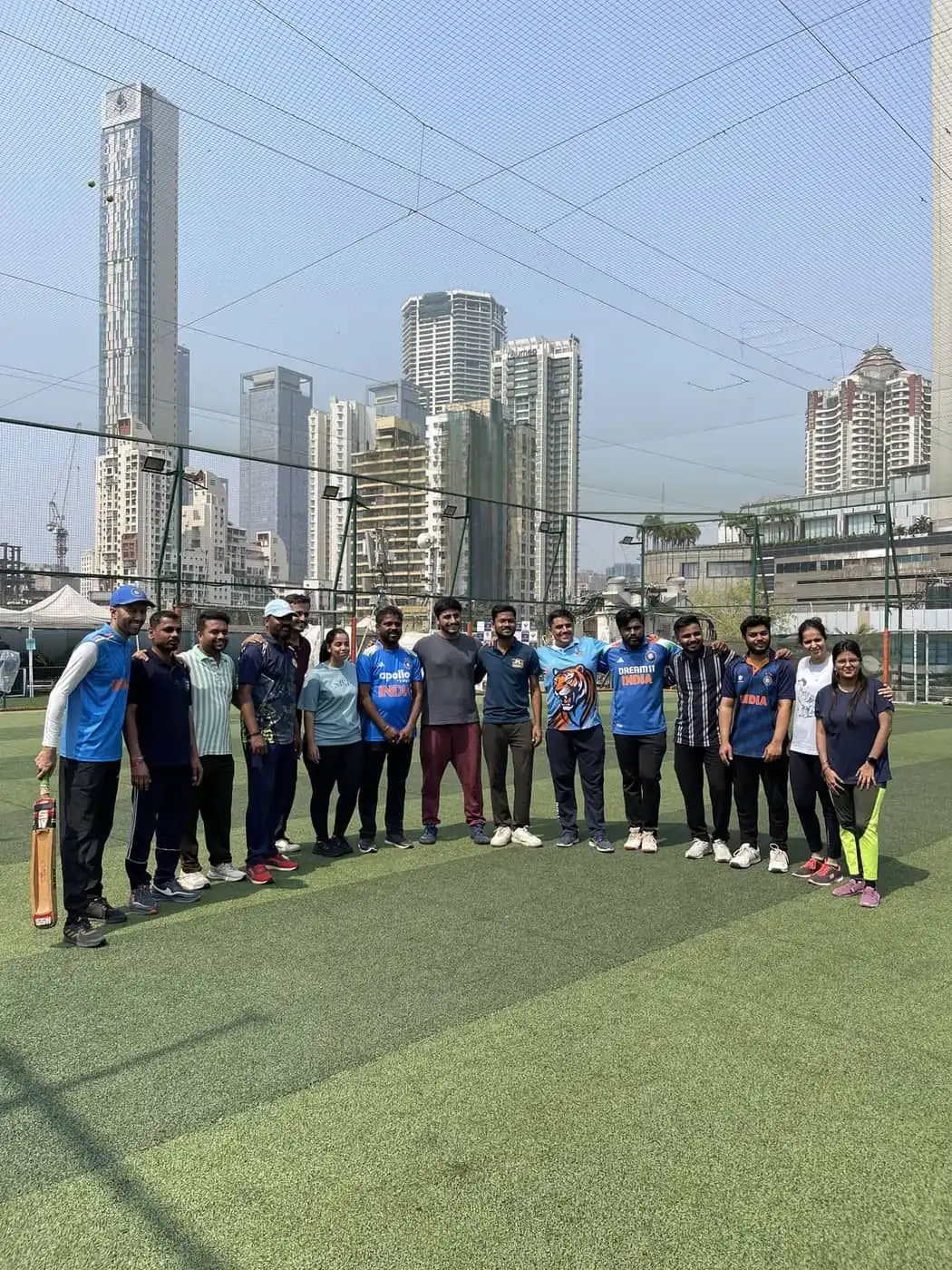
- Box or turf cricket: short, fast games on a netted turf, with teams of 6 to 10. Matches finish quickly, so many teams can play in a half or full day. This is the format most offices choose.
- Ground cricket: the full-size version, with teams of 11 to 14 and a full day of play. It suits companies with keen regular players.
- Multi-sport day: cricket alongside football, badminton, pickleball, volleyball or a team run, so people who don't play cricket still have a game to join.
2. Work out teams and fixtures
Start from the headcount. Decide how many players make a squad, including substitutes, and how many teams that gives you. Then pick the structure: a league stage followed by knockouts works for most sizes, while a straight knockout keeps a large field moving. Publish the fixtures before the day so captains know when they play.
Mix departments inside teams if the goal is to break silos, or keep teams by department if the goal is friendly rivalry. Either works, as long as you decide up front.
3. Book the venue
The number of matches you can play is limited by the number of pitches, so a venue with two or three turfs side by side changes everything. For a big field, split the tournament across venues or across days. Check for floodlights, shade for players waiting to bat, changing space, parking and a spot for a registration desk.

4. Sort out officials, equipment and food
- Umpires and scorers for every match, so results aren't argued over
- Bats, balls, stumps and team bibs or jerseys
- A scoreboard or points table that everyone can see
- Water and hydration through the day, plus a meal for longer formats
- A first-aid kit and someone responsible for it
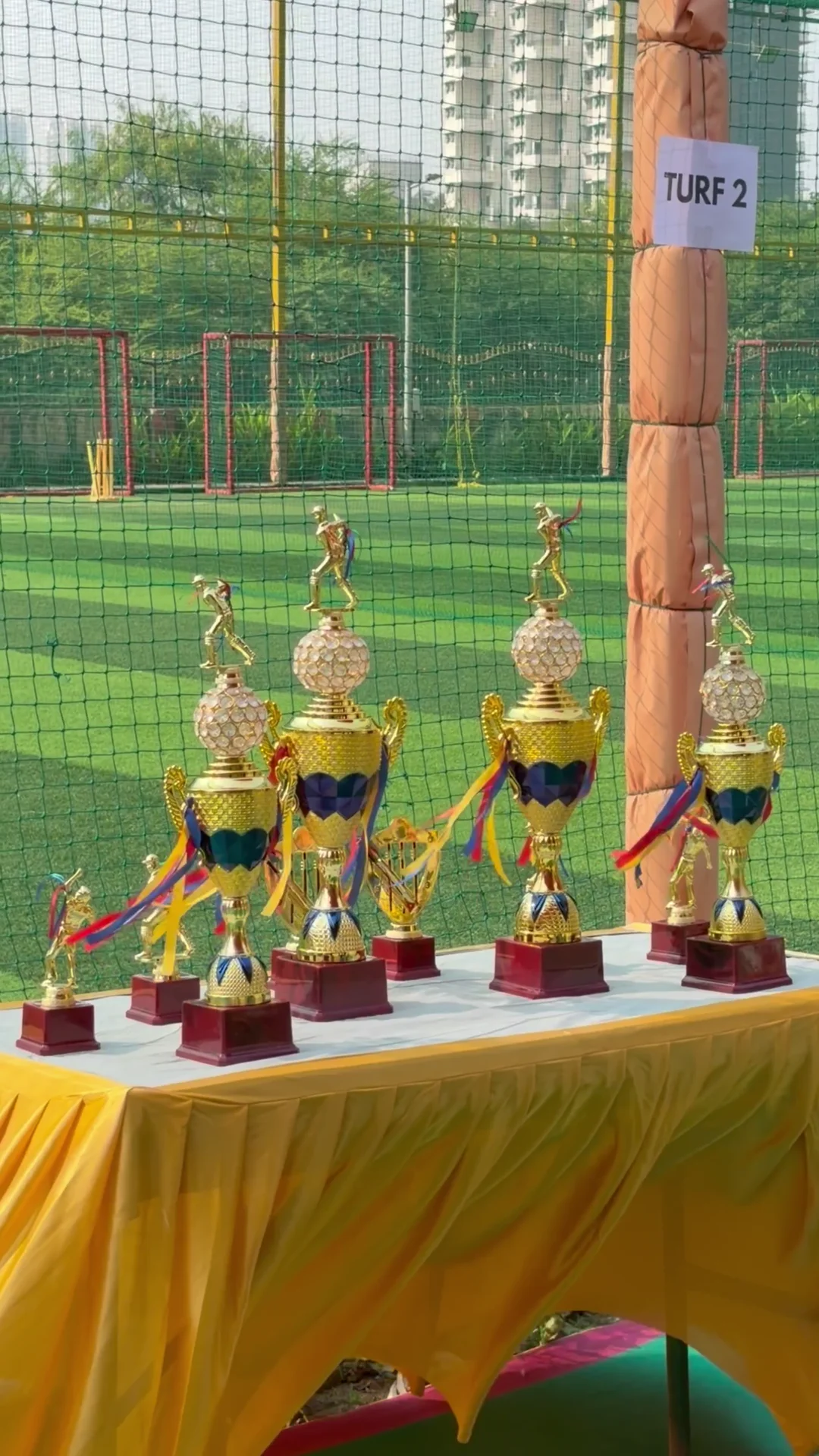
- Trophies and a moment for the winners at the end
5. Run the day
On the day, one person should own the schedule. Matches will overrun and a team will turn up short, so the fixtures need room to absorb delays. Keep captains updated on when they play next, and save time at the end for the final, the prize-giving and the team photos.
What it looks like at scale
For BDO India we ran a box cricket tournament for 850+ players in 106 teams, across two Mumbai venues in Goregaon and Lower Parel, in six days. We handled venue bookings, team registrations, fixtures and brackets, professional umpiring and scoring, equipment, catering, hydration and trophies. BDO's HR team called it excellently coordinated from start to finish, and didn't have to handle the operations themselves.
For Arcon's cricket league, 250 players played on netted turf in team jerseys with their names on the back, with a table of trophies beside the pitch and a champions moment under sparklers at the end.
Do it yourself, or hand it off?
A six-team tournament at one turf is manageable in-house. Once you're past a dozen teams, more than one venue or more than one day, the coordination becomes a job in itself. A fully managed tournament means fixtures, venues, umpires, equipment, scoring and trophies are handled for you, and your team just shows up and plays. Book at least two to three weeks ahead, and earlier for a league that runs over several weekends.