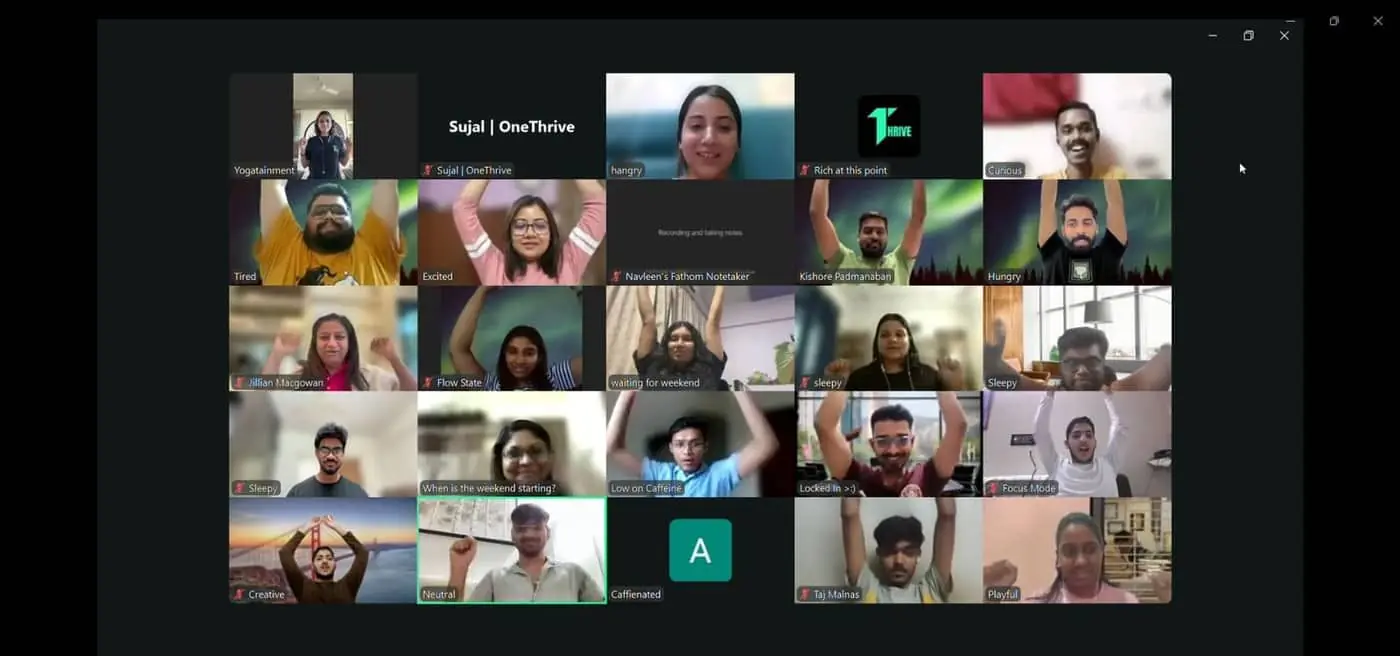
Remote and hybrid teams lose the small, unplanned moments that build connection in an office: the chat by the coffee machine, the lunch that runs long. A virtual session can't replace all of that, but a well-run one creates the same sense of belonging as an in-person room.
Why most virtual events fall flat
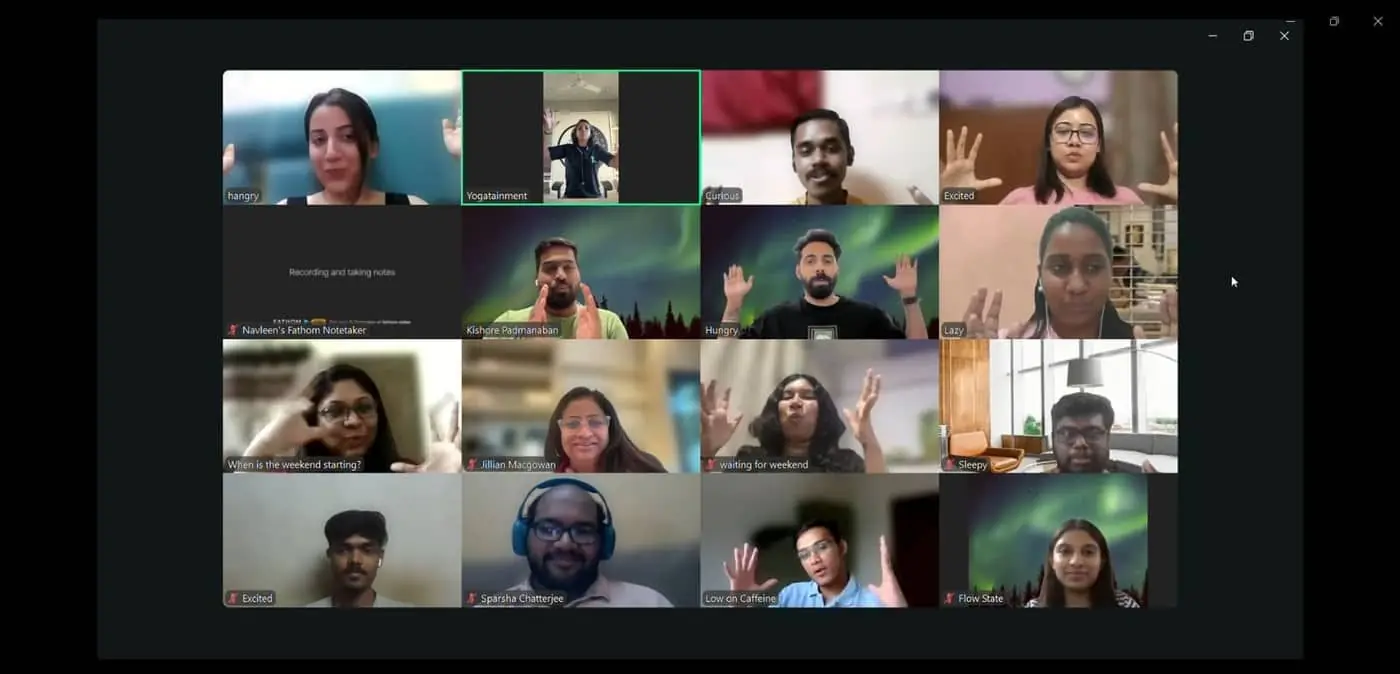
The common failure is treating a virtual event like a webinar: one host talking, everyone else on mute with cameras off. People engage when they have something to do, a team to do it with and a reason to speak.
What works on a video call
- Small teams in breakout rooms, so everyone has a role
- Competition with a visible scoreboard
- Short rounds that keep the pace up
- A host who calls on people by name and keeps the energy going
Formats built for remote teams
Quiz-style games like trivia and game-show formats work well because teams can confer in breakout rooms. Social deduction games, where some players are secretly working against the group, get people talking and accusing each other in the best way. Creative challenges on a shared canvas give quieter people a way to shine without speaking much.